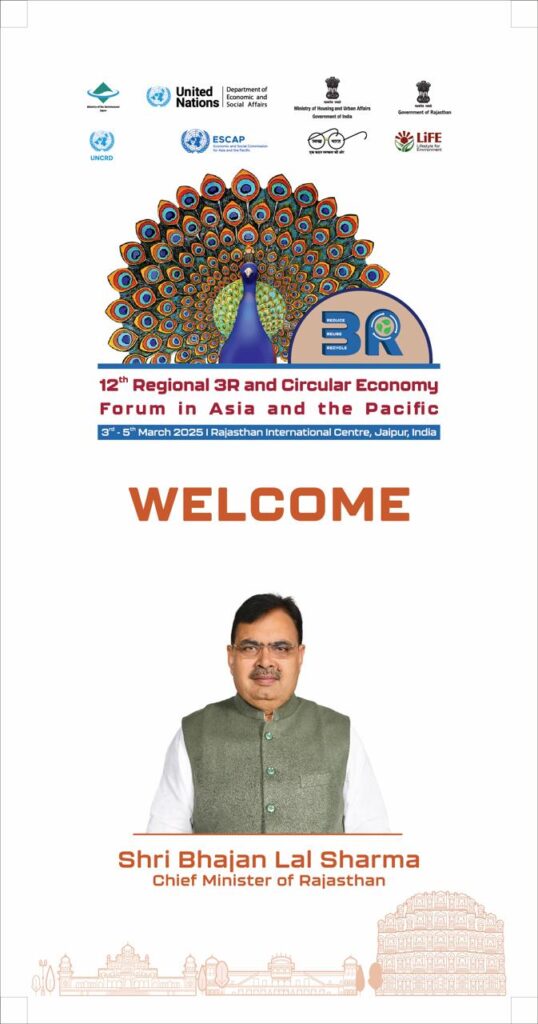
In Rajasthan’s bureaucratic system, officials with a soft demeanor contribute significantly to a positive governmental atmosphere, promoting societal and economic progress. Under the leadership of the 16th Chief Minister, Shri Bhajanlal Sharma, the administration diligently serves the public. From the Chief Secretary to the OSD, and officers to government employees, each plays a crucial role in ensuring efficient governance. Their collective efforts create a trustworthy environment where every section of society benefits from seamless economic advancement, demonstrating a commitment to public service and the greater good.
Category: Economics
-
Rising Rajasthan: A Culture of Growth
A successful economy thrives on several key pillars: robust government policy, resilient infrastructure, and a skilled workforce. Effective government policies are essential for creating a stable environment conducive to growth. Strong infrastructure, including transportation and communication networks, supports efficient business operations and connectivity. A skilled workforce, equipped with the latest knowledge and expertise, drives productivity and innovation. Furthermore, embracing innovation and technology is crucial for staying competitive in a rapidly evolving global market. Lastly, fostering trade and investment opens opportunities for expansion, enabling businesses to reach new markets and strengthen economic ties.
-
Time management for good time
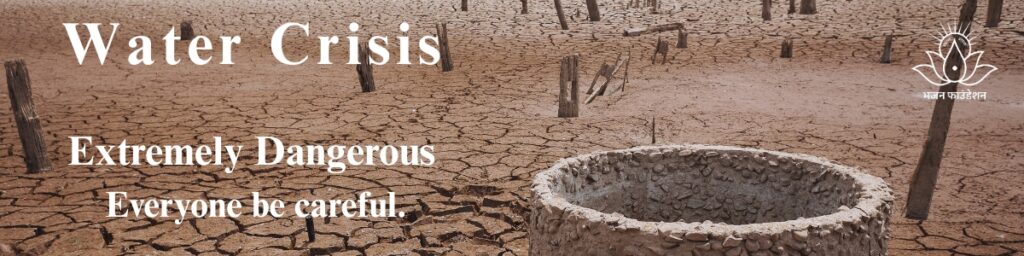
Time is a universal truth, integral to every living being. Humans experience past, present, and future, making time management crucial. To honor the past, enjoy the present, and secure the future, we must prioritize natural systems, which we cannot replicate perfectly. Consider natural rainfall, a centuries-old process, designed by nature to supply water for life. However, climate change has disrupted this, leading to droughts and potential disasters. It’s urgent to develop water management strategies to ensure sufficient water for economic areas like irrigation, drinking, and industry. By doing so, we safeguard a prosperous future for all.
-
Economic Systems Mastering Efficiently.
Operating an economy-based world involves creating and managing systems that facilitate the production, distribution, and consumption of goods and services. This requires establishing a stable currency, implementing fiscal and monetary policies, and promoting trade both domestically and internationally. Key to this operation is understanding supply and demand dynamics, fostering innovation, and ensuring that resources are allocated efficiently. Additionally, addressing social and environmental factors is crucial to maintain sustainability and equity within the economy. Effective governance, regulatory frameworks, and collaboration among various stakeholders are essential to navigate the complexities of an interconnected global market.
-
Rainwater wastage in urban areas
Wastage of water, particularly during the rainy season, is a significant concern that often goes unnoticed. While rain brings much-needed relief and replenishment to the environment, the excess water that flows away unused represents a missed opportunity for conservation. Urban areas, with their impermeable surfaces, exacerbate this issue as rainwater is quickly channeled into drainage systems rather than being absorbed into the ground. This not only leads to wastage but also increases the risk of flooding.
-
Cause & effect of water crisis
The water crisis arises from climate change, over-extraction for agriculture and industry, pollution, poor management, and inadequate infrastructure, leading to global challenges in accessing clean water, especially in developing areas.The water crisis affects both global and local levels, impacting health, agriculture, and economies. Scarcity of clean water leads to health problems, spreading diseases due to poor sanitation and hygiene. In agriculture, water shortages threaten food security and livelihoods, especially in farming-dependent regions. Economically, industries that rely on water face increased costs, leading to higher prices, which impact the overall economy. The crisis can also increase social tensions as communities and nations compete for limited resources.